






GSI Residential - Engineering led residential foundation repair and re-levelling
Why assessment comes before re-levelling.
Re-levelling without assessment is guesswork. Re-levelling corrects visible symptoms. Engineering assessment identifies why those symptoms exist.
Ground behaviour varies by soil type, moisture content, drainage, loading, and site conditions.
By understanding these factors , we can deliver a longer lasting and higher standard result.
This reflects responsibility for assessment, design, and delivery — not just the durability of materials used. Warranty details are confirmed as part of the assessment process with clear guidelines on what this means, not just product warranties but workmanship warranties.
Following assessment, re-levelling may be supported by ground improvement or stabilisation methods selected specifically for the site conditions. No method is assumed in advance, and no product is sold without engineering justification.
This approach reduces risk and avoids unnecessary or inappropriate intervention, while minimising the likelihood of repeat work.
By addressing the underlying cause of movement rather than applying short-term fixes, it can also reduce costs over the life of the home.
We have an Initial discussion to understand the problem.
We come to you free of charge.
A presentation of the design solution including outline of finding and costs.
Project is completed!
5. Project Review
Post project check in and assessment.
Where appropriate, assessment-led re-levelling may contribute to:
Final outcomes, scope, and expectations are determined only after engineering assessment and design.
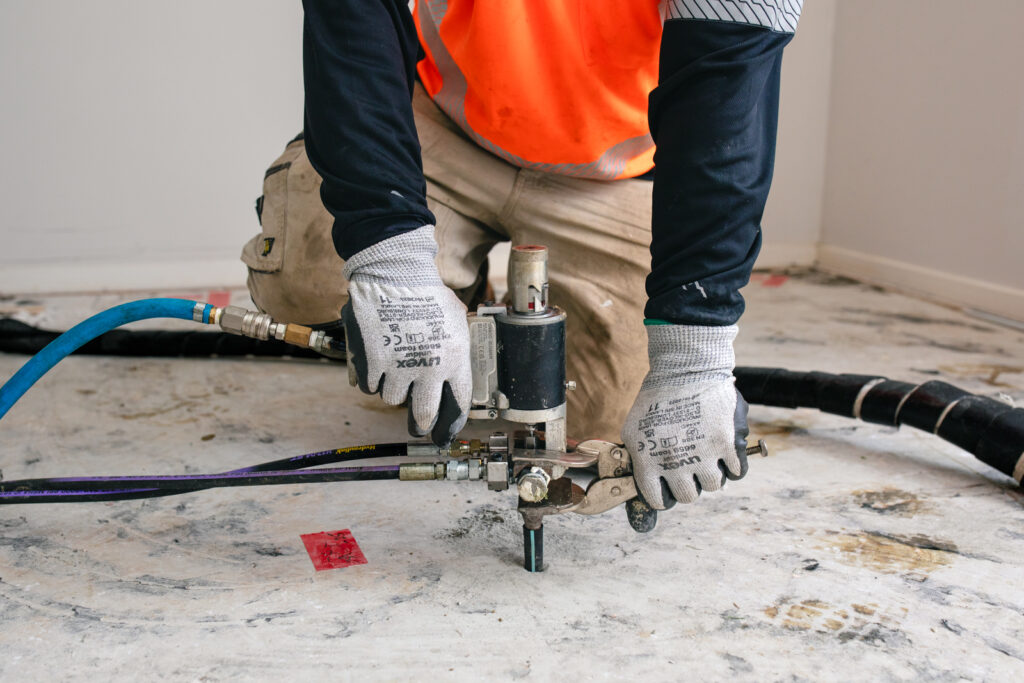
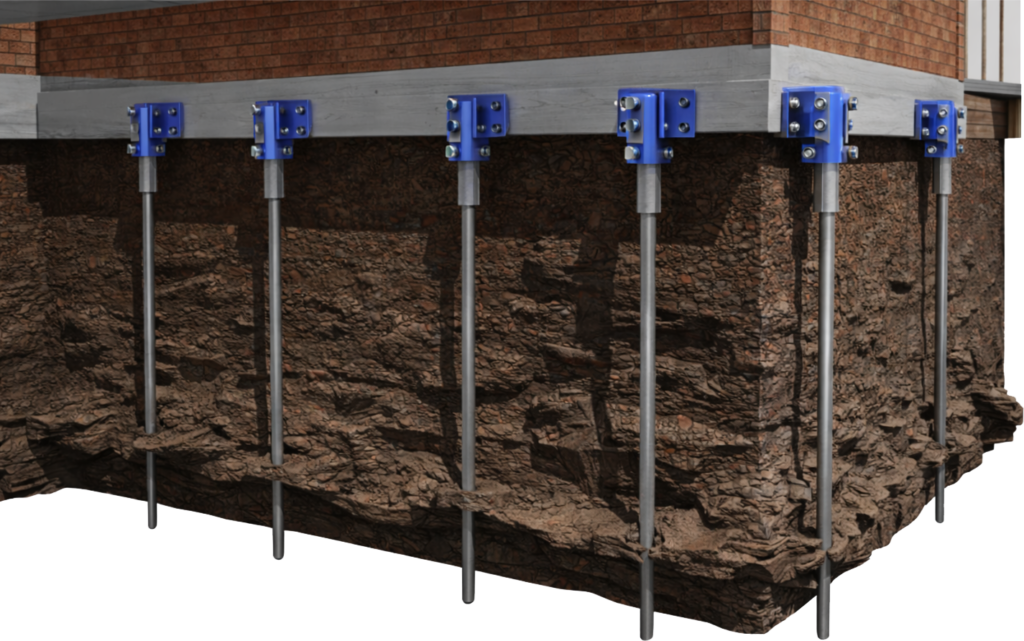
Following engineering assessment, re-levelling may be supported by a range of engineered ground improvement and stabilisation techniques. The method used depends entirely on site conditions, soil behaviour, depth of movement, and structural requirements.
These tools are only used where technically appropriate.
No method is assumed in advance. Selection follows investigation, assessment, and engineering judgement.
The presence of these methods does not mean they are suitable for every site. In many cases, assessment confirms that re-levelling or ground intervention is unnecessary or that an alternative approach is required.
This is why all work begins with engineering assessment.